

Facing a criminal investigation or arrest can feel overwhelming, especially if you have little or no legal background. In San Francisco, the criminal justice system moves quickly, and small decisions made early can have long-term consequences.
This article explains, in plain language, what a best criminal defense law firm in San Francisco does, what the process typically looks like, and the key terms you may encounter along the way.
What “Criminal Defense” Means in Everyday Terms

Criminal defense is the area of law focused on representing people accused of committing crimes. A criminal case is different from a civil dispute (like a contract disagreement) because the government is involved and the outcome can include jail time, probation, fines, and a permanent criminal record.
A defense lawyer’s role is not to “create a loophole.” It is to make sure the legal process is fair, your rights are protected, and the evidence is properly examined. This includes challenging unlawful searches, testing whether witnesses are reliable, and ensuring the prosecution meets its burden of proof.
The Burden of Proof: “Beyond a Reasonable Doubt”
In a criminal case, the prosecution must prove the charges beyond a reasonable doubt. This is the highest standard in the legal system. It means a judge or jury must be firmly convinced, based on evidence, that the accused is guilty. If reasonable doubt remains, the law requires a finding of not guilty.
When You Might Need a San Francisco Criminal Defense Law Firm

People often assume they only need a lawyer after an arrest, but legal help can be important earlier. You may benefit from speaking with counsel if:
- You are contacted by police for questioning
- You receive a citation or summons to appear in court
- You learn you are under investigation
- You are arrested or your home is searched
- You are facing charges such as DUI, theft, assault, drug offenses, or domestic violence
Even a “minor” charge can carry consequences beyond the courtroom, such as employment difficulties, immigration concerns, housing barriers, or professional licensing issues.
Common Case Types in San Francisco
While every case is unique, a San Francisco criminal defense law firm commonly handles matters such as:
- DUI and driving-related charges
- Drug possession or sales allegations
- Theft offenses (shoplifting, burglary, robbery)
- Assault and battery
- Domestic violence accusations
- White-collar investigations (fraud, embezzlement)
Secondary keywords that often appear in this context include criminal defense attorney San Francisco, San Francisco DUI defense, and California criminal charges—terms you may see when researching similar topics.
What the Criminal Case Process Usually Looks Like

Understanding the typical steps can reduce anxiety and help you ask better questions.
1) Investigation and Arrest (or a Notice to Appear)
Some cases begin with an arrest; others start with a summons requiring you to appear in court on a specific date. Either way, what you say and do early matters. If police want to question you, you generally have the right to remain silent and the right to consult an attorney.
2) Arraignment: The First Court Appearance
At arraignment, the court tells you what charges are being filed. You will usually enter an initial plea (often “not guilty” at this stage). The judge may also decide bail or release conditions. In plain terms: arraignment is where the case officially begins in court.
3) Pretrial Stage: Evidence, Motions, and Negotiations
Much of a criminal case happens before trial. This stage may include:
- Discovery: The process of exchanging evidence. The prosecution must share certain evidence, including police reports and witness statements.
- Motions: Formal requests asking the judge to rule on legal issues (for example, excluding evidence obtained through an illegal search).
- Plea discussions: Many cases resolve without trial. A lawyer evaluates whether an offer is reasonable, what penalties are possible, and whether alternatives exist.
4) Trial (If the Case Does Not Resolve Earlier)
If a case goes to trial, the prosecution presents evidence and witnesses, and the defense can challenge that evidence, cross-examine witnesses, and present its own evidence. The outcome is decided by a judge or jury depending on the case type and choices made.
5) Sentencing or Dismissal
If there is a conviction or guilty plea, the court imposes a sentence, which can include probation, fines, community service, counseling programs, or incarceration. If the case is dismissed or results in an acquittal, the immediate criminal penalties end—but you may still want to ask about record-related issues.
Key Legal Terms Explained Simply

Legal language can be confusing. Here are a few commonly used terms in criminal cases:
- Bail: Money or conditions set to ensure a person returns to court.
- Probation: Supervision instead of jail, often with rules (classes, check-ins, no-contact orders).
- Plea bargain: An agreement to resolve a case without trial, sometimes involving reduced charges or penalties.
- Misdemeanor vs. felony: Misdemeanors are generally less serious than felonies, but both can have lasting consequences.
- Expungement: A process that may allow certain convictions to be dismissed for record purposes, depending on eligibility.
What to Look for in Representation
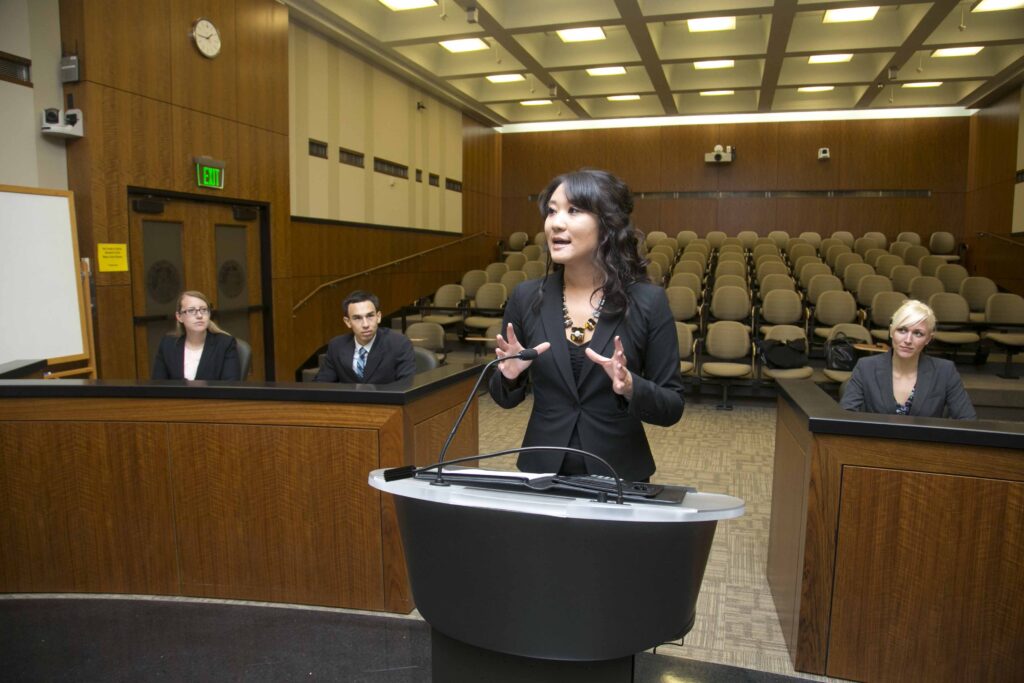
People often search for reassurance when under stress, which is why phrases like best criminal defense law firm in San Francisco appear frequently online. But “best” can mean different things depending on your situation. In practical terms, it can help to look for:
- Clear explanations without pressure or confusing language
- Familiarity with San Francisco courts and local procedures
- A careful approach to evidence review and case strategy
- Transparency about possible outcomes and uncertainties
A good fit is often one where you feel informed, heard, and able to make decisions based on realistic expectations.
Closing Summary: The Takeaways
A criminal defense lawyer helps people navigate a fast-moving system that can be difficult to understand without guidance. The criminal process often includes investigation, arraignment, pretrial evidence review, and sometimes trial, with outcomes ranging from dismissal to negotiated resolutions or sentencing.
Understanding basic concepts like the prosecution’s burden of proof, the meaning of arraignment, and how evidence is challenged—can make the experience more manageable. Above all, the clearest path forward usually starts with learning how the process works and what legal terms mean in everyday language.